

Septic Tank 101: Honest Answers for People Who’d Rather Not Think About It

Before you picture a scary underground science experiment, let’s talk about what your septic system actually does.
First in the Home Systems Guide series · By Rachell Lara, Realtor specializing in land & rural property
On this page: How a Septic System Works · Why Septic Living Isn’t as Scary as It Sounds · Basic Septic Maintenance · Signs Your System Is in Trouble · When It’s Time to Plan for a Replacement · Next Steps and Resources
How a Septic System Works
If you’ve only ever been on city sewer, the idea of a septic tank in the backyard can sound… intense. In reality, a septic system is just your own small, contained wastewater treatment setup doing quiet work underground.
Most standard systems have two main parts: the septic tank and the drain field (also called a leach field).
The Septic Tank: Where Everything First Lands
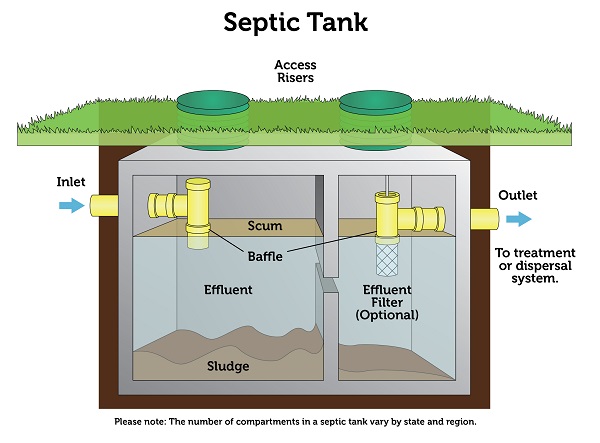
Every time you run water in the house—flushing toilets, showering, doing dishes, laundry—it all flows into the buried septic tank. Inside that tank, three layers form:
- Heavier solids sink to the bottom and form a layer of sludge.
- Oils, grease, and lighter material float to the top and form a layer of scum.
- The relatively clear liquid in the middle is called effluent.
Natural, beneficial bacteria in the tank break down a lot of the organic material. So no, it’s not just a raw pit of sewage—it’s a working system that’s constantly processing what comes in.
The Drain Field: The Quiet Finishing Step
From there, effluent flows out to the drain field: a network of perforated pipes in gravel‑filled trenches or chambers. The liquid slowly seeps into the surrounding soil.
The soil acts like a natural filter, removing harmful bacteria, viruses, and nutrients as the water moves down. Done right, this is a simple, low‑energy way to treat wastewater on site.
If you’re a visual learner, the EPA has a helpful diagram that breaks down standard septic system components.
Why Septic Living Isn’t as Scary as It Sounds
Most of the fear around septic systems comes from not knowing how they work—or from a horror story where someone ignored theirs for way too long.
Here’s the calmer, more accurate version:
- They’ve been around forever. Septic systems are a proven, common way to handle wastewater, especially in rural and semi‑rural areas.
- They’re usually low‑drama. With basic maintenance, many systems run quietly in the background for decades.
- They can be easier on the environment. Properly designed systems treat wastewater on‑site and can reduce the load on centralized plants.
In other words, a septic system isn’t a ticking time bomb in your backyard. It’s just a system that needs a little attention now and then—kind of like your roof, HVAC, or water heater.
Basic Septic Maintenance: What Your System Needs
A septic system doesn’t need constant attention, but it does need consistent, basic care. Think of it like getting the oil changed in your car—ignore it long enough and things get expensive.
Pumping: The Unglamorous MVP
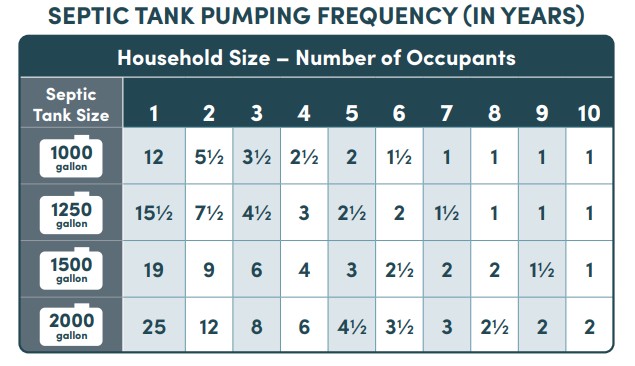
Most standard septic systems need to be pumped every 3–5 years, depending on:
- How many people live in the home
- How much water you use
- The size and design of the tank
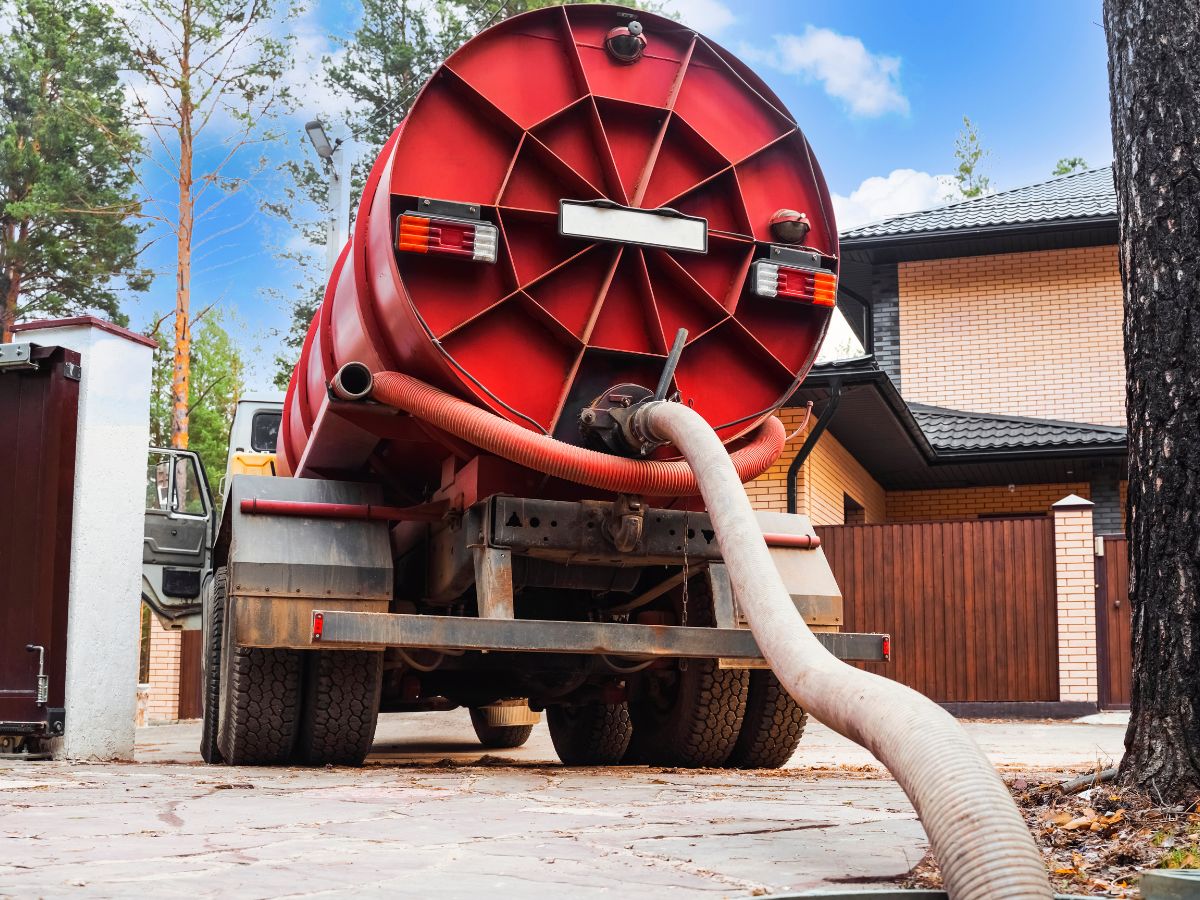
Pumping removes the built‑up sludge and scum so they don’t overflow into the drain field and clog it. If you skip this step for too long, you’re essentially asking your system to fail early. San Diego County has this Septic Tank Pumping Checklist to help you out.
Be Kind to Your Drain Field (and Pipes)
A few simple habits go a long way:
- Watch what you flush. No “flushable” wipes, paper towels, feminine products, or anything that isn’t toilet paper.
- Go easy on fats, oils, and grease. Don’t pour cooking grease down the sink—let it cool and throw it away instead.
- Spread out big water uses. Laundry, long showers, and dishwasher cycles all at once can overwhelm the system.
- Protect the drain field. No parking, driving, or building over it; keep deep‑rooted trees and shrubs away from the lines.
San Diego County Pays You to Pump
If you’re in San Diego County, there’s actually a little good‑news twist here. The County’s Department of Public Works runs a Septic Pumping Rebate Program that currently offers eligible homeowners a $100 rebate for:
- Watching a short educational video about septic system care, and
- Having their system pumped by a qualified provider.
Always double‑check the County’s site for current details, eligibility, and funding status, but programs like this are a great reminder: taking care of your septic system is good for your wallet and the environment.
Signs Your Septic System Is in Trouble
Even a well‑cared‑for system can start to show its age or struggle if it’s overloaded. Catching early warning signs can save you from the “backed‑up toilet on a holiday weekend” situation.
Watch and Listen Inside the House
- Slow drains throughout the home (not just one sink or shower).
- Gurgling noises from toilets or drains when water is running elsewhere.
- Frequent clogs that keep coming back even after you clear them.
One slow sink doesn’t automatically mean septic trouble, but when multiple fixtures are acting up, it’s time to pay attention.
Check What’s Happening in the Yard
- Wet, spongy, or muddy areas above or near the drain field when it hasn’t rained.
- Extra‑green, fast‑growing grass over the drain field compared to the rest of the yard.
- Persistent sewage odors outside near the tank or drain field.
These can be signs that the system is overloaded, the drain field is struggling, or something is leaking where it shouldn’t.
Don’t Ignore the “Something’s Off” Feeling
If you’re noticing a combination of these signs, it’s worth calling a licensed septic professional sooner rather than later. A simple inspection and pumping is a much cheaper conversation than a failed drain field or emergency replacement.
When It’s Time to Plan for a Replacement
Septic systems don’t last forever. Many tanks and drain fields are designed with a lifespan in the 20–30+ year range, but actual life expectancy depends on:
- How well the system was designed and installed
- Soil conditions and groundwater levels
- How the system has been used and maintained over time
Here are a few signs you might be closer to “plan for replacement” territory:
- The system is older and has a history of repeated backups, clogs, or patch‑style repairs.
- Your septic professional recommends major work on the drain field or says the existing field is no longer functioning well.
- You’re planning a significant remodel or addition that will increase the home’s water use and the system may be undersized.
Replacement doesn’t always mean starting from scratch—sometimes it’s a new drain field, a different system design, or an upgrade to meet modern standards. A qualified septic designer or engineer can help you understand your options.
Next Steps and Resources
Septic living doesn’t have to be dramatic. A little bit of planning now can keep your system quiet, boring, and doing its job in the background for years.
Your Septic Checklist: Next Steps and Resources
If you’re in the "I just want to understand what I’m living with" stage, start here:
- Confirm when your tank was last pumped and set a reminder based on your household size and tank size.
- Use your county’s tools to find and save a copy of your septic permit so you know what was approved on your property.
- Walk your yard and locate the tank and drain field so you’re not guessing during an emergency.
- Share the basic do’s and don’ts with everyone in the house so one person’s habits don’t undo the whole system.
- If you’re in San Diego County, check whether you qualify for programs like the Septic Pumping Rebate Program.
- If you’re in an area outside San Diego County, you’ll want to check
When You’re Thinking About Bigger Moves
If you’re planning a remodel, thinking about adding an ADU, or wondering whether your older system is nearing the end of its life, it’s worth getting a more detailed opinion before you spend real money. As a real estate professional who understands septic properties, I can connect you with trusted septic professionals who can help you plan repairs, upgrades, or a future replacement.
However you use this guide, the goal is simple: a septic system that quietly does its job while you get on with enjoying your home.
Categories
- All Blogs (86)
- 55+Communities (4)
- Alpine (26)
- Backcountry (5)
- Community Events (16)
- Farm (3)
- Home Systems (1)
- Land (4)
- Listings (4)
- Manufactured Homes (5)
- Mountain Empire (10)
- Moving to Alpine (10)
- Moving to East County San Diego (11)
- North County (3)
- Ranch (3)
- Real Estate Market Reports (13)
- San Diego (10)
- San Diego Buyer Resources (10)
- San Diego Communities & Neighborhoods (6)
- San Diego Homeowners (7)
- San Diego Service Providers (1)
- Seller Resources (2)
- South Bay (2)
- Strategic Real Estate (2)
- Succulents (1)
Recent Posts











"My job is to empower my clients to confidently make the best real estate decisions for their families!"