

Should You Test for Radon When Buying a Home in San Diego?
Radon testing is rare in San Diego real estate, but should you still consider it during escrow?
Quick Summary (TL;DR): While radon testing is a standard real estate due diligence practice in many parts of the U.S., it is rarely requested in San Diego. Because San Diego County is classified as a low-risk EPA Zone 3 region, and local architecture lacks the deep basements that trap soil gases, elevated indoor radon levels are uncommon. However, because radon can technically occur in any home—and may occasionally be found in private well water systems—testing remains a simple, low-cost option for buyers seeking maximum peace of mind during escrow.
Buyer's Guide Inspection Series by Rachell Lara – San Diego Real Estate Specializing in Homes with Room Last Update: May 2026
Radon Testing Table of Contents
- What Is Radon?
- How Does Radon Get in Your Home
- Do People Test for Radon When Purchasing Real Estate in San Diego?
- Why Isn't Radon as much of a factor in San Diego
- What Happens During a Radon Test?
- What Sellers Should Expect
- Radon and Well Water
- Buyer Considerations: Should You Test for Radon?
Radon testing is not something you commonly hear about during the home-buying escrow process in San Diego.
However, buyers relocating from other parts of the country — especially areas where radon testing is considered standard practice — sometimes ask whether they should test a home here as well.
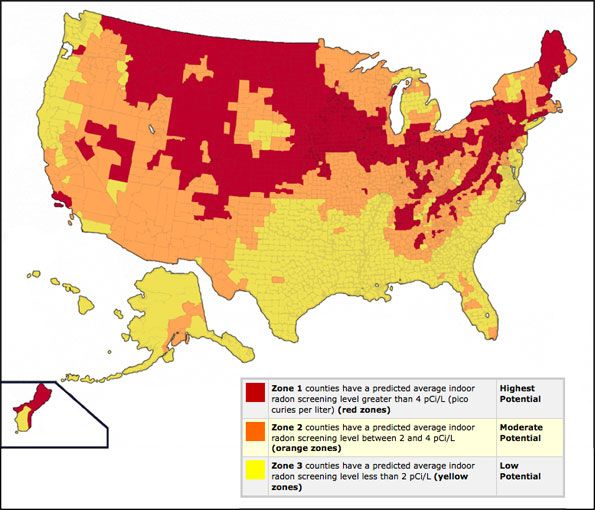
According to the EPA’s Radon Zone Map, San Diego County is generally considered a lower potential area for elevated indoor radon levels compared to many parts of the United States. San Diego falls into EPA Zone 3, which is considered a lower predicted average radon potential area. However, the EPA also notes that elevated radon levels can occur in any area, and testing is the only way to know the radon level of a specific home.
In most San Diego real estate transactions, radon testing is rare. Should you test for radon? Like many possible inspections during escrow, it often comes down to your personal concerns, comfort level, budget, and overall inspection strategy.
What Is Radon?
Radon is a naturally occurring radioactive gas created from the breakdown of uranium in soil and rock. It is colorless, odorless, and tasteless, which means there is no way to detect it without testing.
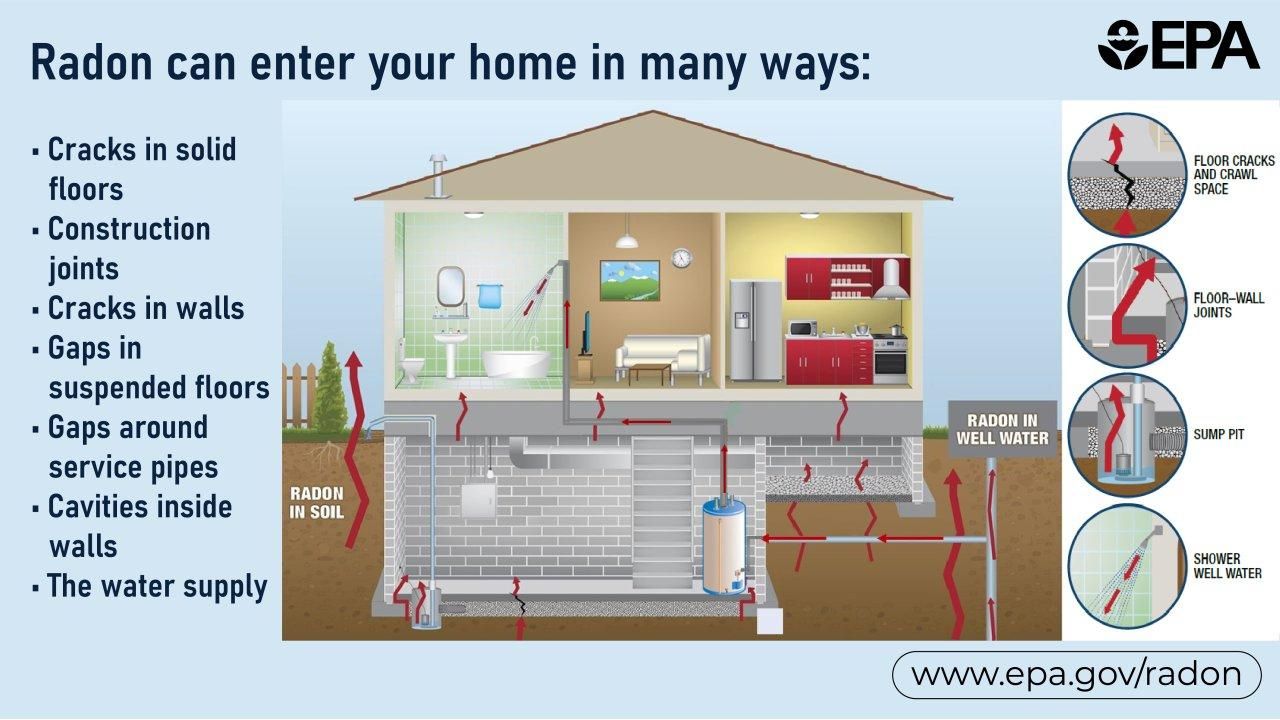
Radon can enter homes through cracks in foundations, crawl spaces, drains, sump areas, and other small openings where a home meets the ground. Once inside, it can become trapped, especially in homes with limited ventilation.
According to the EPA, Radon exposure is the second leading cause of lung cancer in the United States.
How Does Radon Get in Your Home
Radon because it is considered a naturally occurring environmental hazard that can exist anywhere. Even neighboring homes can have very different radon levels. Soil composition, ventilation, construction style, and how a home is used can all impact indoor radon levels.
- Radon levels are usually highest in living spaces closest to the soil
- Upper stories generally have lower levels
- Testing is the only way to determine the radon level in a specific home
- California Department of Public Health recommendations suggest taking action if average indoor levels exceed 4 pCi/L
Do People Test for Radon When Purchasing Real Estate in San Diego?
With the exception of testing radon in well water, it is unusual for radon testing in homes. Other areas in the United States test for radon as part of real estate due diligence.
Why isn't Radon as much of a factor in San Diego
1. Geography: We Are a Low-Risk Zone
The primary reason San Diego real estate skips the radon test is simple geography. According to the EPA Map of Radon Zones, San Diego County, along with Orange and Imperial Counties, are categorized as Zone 3 (Yellow).
Zone 3 represents the lowest potential for elevated radon levels, with predicted average indoor levels of less than 2 pCi/L.
Because the natural rock and soil compositions in our region don’t typically produce high levels of radon gas, it has never become a "standard of care" for local home inspections.
2. The "No Basement" Factor
Even if there were higher levels of gas in the soil, San Diego architecture isn't built to "trap" it.
Slabs and Crawlspaces:
Most San Diego homes are built on concrete slabs or raised foundations. Unlike homes with deep, enclosed basements, our houses don't have large underground footprints where gas can accumulate and reach dangerous concentrations.
Natural Ventilation:
Our temperate climate means homes are often less "hermetically sealed" than homes in the Snow Belt. With more airflow and fewer underground living spaces, the risk of radon buildup drops significantly.
What Happens During a Radon Test?
Simple Answer: A device is left in the house to monitor the radon level for a series of days. The information is collected, and then a report is produced.
Radon testing during escrow is usually a relatively simple and non-invasive process.
Most radon tests used in real estate transactions are short-term tests designed to measure radon levels over a period of a few days. Professional radon inspectors may use either passive testing devices or active electronic monitors placed inside the home, typically in the lowest livable area.
Radon Testing Schedule
The test itself can take 2–7 days. The longer it monitors, the more reliable the results are. The testing kit will usually have the results back in 3–5 business days without a rush service, and a professional service will have the results back a little sooner.
Radon Testing Types
Radon testing is relatively easy, so you can have a professional test or use a kit.
Professionals: More expensive and can test for other things you might be concerned about. AirMD and Enviro Check or other similar services can test for asbestos, mold, lead, radon, VOCs, formaldehyde, and indoor air quality.
DIY Kits: California Department of Public Health Indoor Radon Program has Short-term and Long-Term Kits through Alpha Energy Laboratories for approximately $16–60.
After the testing period, the devices are sent to a lab for processing and reporting.
What Sellers Should Expect
Although uncommon in San Diego, buyers may occasionally receive a request for radon testing during escrow. For the homeowner, the testing process takes several days (2–7), where the home essentially has to be closed up so a device can monitor the radon levels.
Typically, the process is simple and may involve:
- allowing the placement and retrieval of a monitoring device
- maintaining certain closed-house conditions during testing
- avoiding disturbance of the testing equipment
A request for radon testing does not automatically mean there is a problem with the home. Often, buyers are simply trying to complete their due diligence or gain additional peace of mind.
Radon and Well Water
The California Department of Public Health also notes that radon can sometimes be present in private well water, particularly when groundwater passes through rock containing uranium or radium.
Testing for radon in well water is different from testing the air inside the home.
If the property you are buying has a private well, buyers should generally have:
- a well production test
- a water quality test
Depending on the property and the testing package selected, buyers may also choose to include radon testing as part of the water quality evaluation.
When buying a property with a private well, it is important to think beyond just the house itself and evaluate the property systems as a whole. Understanding water production, water quality, storage systems, filtration equipment, and ongoing maintenance responsibilities can be an important part of the due diligence process for homes on well systems.
Buyer Considerations: Should You Test for Radon?
For most San Diego home purchases, radon testing isn't even a consideration.
Monitoring for radon takes several days, so you need to decide if you want testing immediately to ensure you comply with the contingency period in your real estate contract.
When deciding whether radon testing makes sense, buyers may want to consider:
- Does the home or property have characteristics that increase their concern
- Are you testing for decision-making purposes or primarily for peace of mind
- Would elevated radon levels change how they feel about the purchase
- How testing fits into their inspection budget and timeline
Because radon testing is relatively simple and affordable, some buyers choose to:
- Hire a professional testing company during escrow
- Use an independent radon test kit for informational purposes
- Test after closing for additional peace of mind
Buyers should also consider how inspection requests and contingencies may affect negotiations with the seller, particularly in competitive markets where sellers are evaluating the overall strength and simplicity of an offer.
As an agent, my goal is to help buyers:
- make informed decisions
- feel confident in those decisions
- have peace of mind living in the home long after escrow closes
Because radon testing is relatively inexpensive and easy to perform, I often encourage buyers to think strategically about how they handle it during escrow.
For some buyers, radon testing provides valuable reassurance. For others, understanding San Diego’s generally lower-risk conditions is enough to feel comfortable moving forward without additional testing.
The right choice depends on the property, the buyer, and the level of due diligence that helps them feel confident in their purchase.
Buying a home is about more than just getting through escrow. It’s about understanding the property, prioritizing the inspections that matter most to you, and making decisions you feel confident about long after move-in day. Having an agent who understands both the practical side of negotiations and the bigger picture of homeownership can help buyers navigate those decisions with clarity and peace of mind.
Frequently Asked Questions About Radon Testing in San Diego Real Estate
1. Is radon common in San Diego homes?
No. According to the EPA Radon Zone Map, San Diego County is generally considered a lower potential area for elevated indoor radon levels and falls within EPA Zone 3. However, elevated radon levels can still occur in any home, and testing is the only way to know the radon level of a specific property.
2. Do most buyers test for radon during escrow in San Diego?
No. Radon testing is uncommon in most San Diego real estate transactions. Buyers are much more likely to prioritize inspections such as home, termite, sewer, septic, roof, or well inspections depending on the property.
3. Should I test for radon when buying a home in San Diego?
That depends on your comfort level, concerns, budget, and inspection strategy. Some buyers test for peace of mind, while others feel comfortable relying on San Diego’s generally lower-risk conditions.
4. How long does a radon test take during escrow?
Most short-term radon tests used during real estate transactions take between 2–7 days. After the monitoring period, results are typically returned within a few business days depending on the testing method and lab processing time.
5. Can I test for radon myself?
Yes. Buyers can hire a professional radon testing company or use a DIY radon test kit. California’s Indoor Radon Program also provides information on short-term and long-term radon test kits available to homeowners.
6. What happens if a home tests positive for radon?
Elevated radon levels can often be reduced through ventilation improvements or mitigation systems designed to move radon gas safely away from the home. In many cases, radon mitigation is considered manageable rather than a dealbreaker.
7. Can radon be found in well water?
Yes. Radon can sometimes be present in private well water, particularly when groundwater passes through rock containing uranium or radium. Buyers purchasing homes with private wells should typically have both a well production test and a water quality test performed during due diligence.
8. Can radon testing affect the strength of my offer?
In competitive markets, buyers should consider how additional inspections and contingencies may affect negotiations with the seller. Some buyers choose to handle radon testing independently or after closing rather than making it a major contingency issue during escrow.
Make Confident Decisions During Escrow
Buying a home is about more than simply getting through escrow. It’s about understanding the property, prioritizing the inspections that matter most to you, and making decisions you feel confident about long after move-in day. Having an agent who understands both the practical side of negotiations and the bigger picture of homeownership can help buyers navigate those decisions with greater clarity and peace of mind.

Rachell Lara
San Diego Realtor® | Specializing in Homes with Room
Between market noise, endless data, and a packed schedule, making the right real estate decision can feel overwhelming. I help families cut through the confusion with clear data, smart strategy, and systems that protect your time. Whether you are searching for a property with space to grow or navigating complex property details, I handle the heavy lifting so you can move forward with confidence, live with peace of mind, and gain a lifelong advocate by your side.
Categories
- All Blogs (86)
- 55+Communities (4)
- Alpine (26)
- Backcountry (5)
- Community Events (16)
- Farm (3)
- Home Systems (1)
- Land (4)
- Listings (4)
- Manufactured Homes (5)
- Mountain Empire (10)
- Moving to Alpine (10)
- Moving to East County San Diego (11)
- North County (3)
- Ranch (3)
- Real Estate Market Reports (13)
- San Diego (10)
- San Diego Buyer Resources (10)
- San Diego Communities & Neighborhoods (6)
- San Diego Homeowners (7)
- San Diego Service Providers (1)
- Seller Resources (2)
- South Bay (2)
- Strategic Real Estate (2)
- Succulents (1)
Recent Posts










"My job is to empower my clients to confidently make the best real estate decisions for their families!"