

Manufactured vs. Mobile Home: What Is the Real Difference?
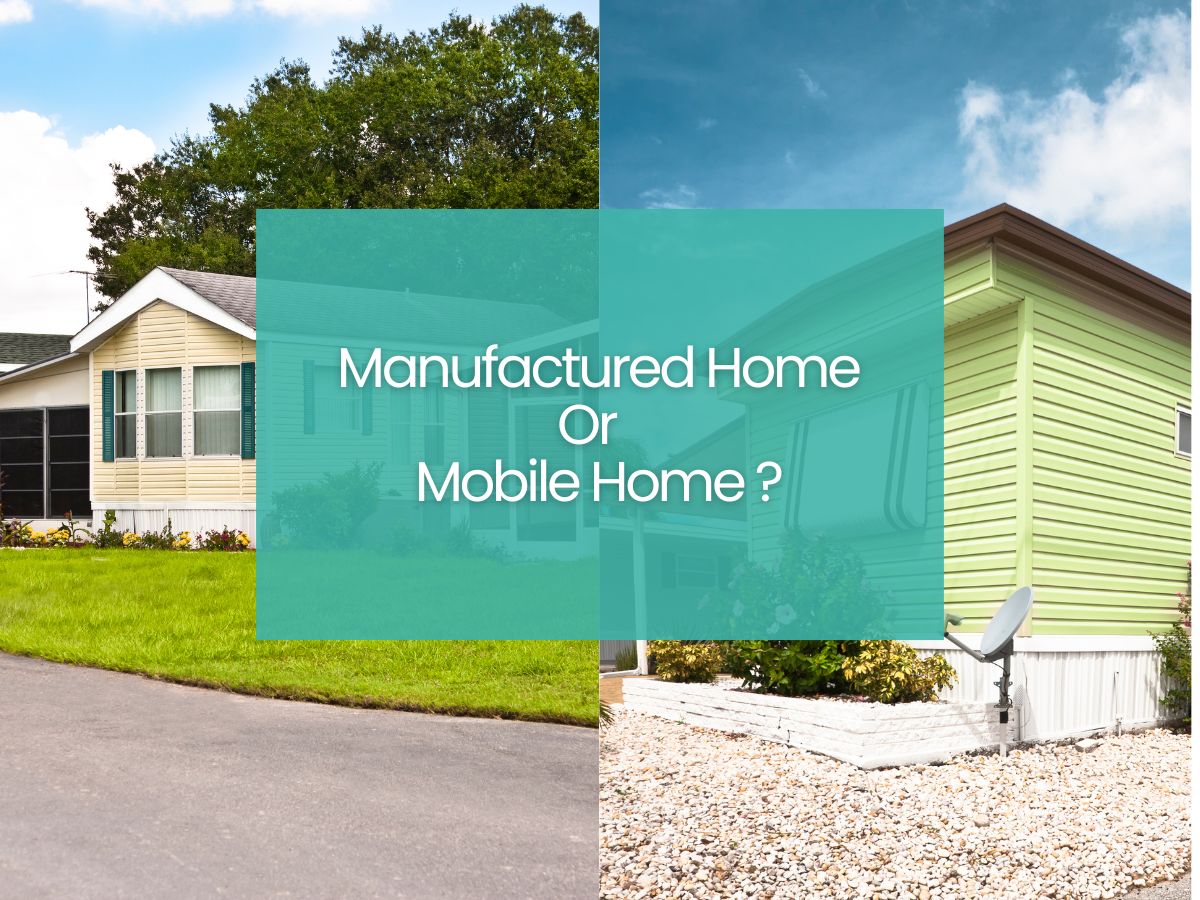
The terms are used interchangeably every single day, but in real estate, a single calendar date completely changes how banks lend money and how your equity grows.
Quick Summary (TL;DR): Legally and structurally, there is no such thing as a modern "mobile home." A mobile home refers strictly to factory-built housing constructed before June 15, 1976. Anything built on or after that specific date is officially a manufactured home, constructed under rigid federal safety codes. For a buyer in today's market, this distinction isn’t just semantic—it entirely dictates whether you can secure a traditional mortgage, how much you will pay for insurance, and how your investment appreciates.
Manufactured Home Series by Rachell Lara – San Diego Realtor Helping You Get More Lifestyle for Your Housing Dollar Update: July 2026
Guide Table of Contents
- The Line in the Sand: The June 15, 1976 HUD Code
- Construction and Safety Standards Compared
- The Financing Impact: Escrow Realities for Pre-1976 vs. Post-1976
- Title, DMV, and California Property Tax Variations
- Frequently Asked Questions About Manufactured Housing
When searching for ways to stretch your housing dollar farther in San Diego County, land-lease and resident-owned manufactured communities quickly rise to the top of the list. They offer an incredible alternative to high-density apartment walls or dense condominium developments, giving you detached independence at a fraction of the cost.
However, as you browse active real estate listings, you will constantly see the terms "mobile home" and "manufactured home" mashed together. While the public uses them to mean the same thing, the U.S. Department of Housing and Urban Development (HUD) views them through completely separate lenses.
To make a smart financial decision and leverage your buying power correctly, you need to understand exactly what happens when you cross the historical structural line.
The Line in the Sand: The June 15, 1976 HUD Code
The definitive boundary between a mobile home and a manufactured home boils down to a single historical date: June 15, 1976.
Before this date, factory-built homes on chassis wheels were largely unregulated. Builders followed varying regional patterns, and construction quality ran the entire spectrum. These vintage properties are officially and legally classified as Mobile Homes.
On June 15, 1976, the National Manufactured Housing Construction and Safety Standards Act officially went into effect. This established the "HUD Code," a strict federal building standard that completely replaced individual builder discretion. Every factory-built home rolling off an assembly line on or after that date is legally a Manufactured Home. By law, the term "mobile home" cannot be used to describe any property built after that 1976 threshold.
Construction and Safety Standards Compared
The implementation of the HUD Code radically upgraded the structural safety, fire resistance, and durability of factory-built housing, driving a massive wedge between the eras.
Vintage Mobile Homes (Pre-1976):
Pre-HUD mobile homes were designed primarily for portability and temporary placement. They often utilized lighter structural lumber, primitive electrical layouts, and lacked uniform insulation baselines. Because fire-blocking regulations didn't exist yet, these older systems carry significantly higher safety risks, which reflects directly in modern insurance premiums.
Modern Manufactured Homes (Post-1976):
HUD code mandates that manufactured homes are constructed on permanent, heavy-duty steel chassis transport beams using high-grade structural framing. They feature strict fire-retardant wall materials, dedicated plumbing vents, robust electrical safety breakers, and specific thermal performance standards optimized for regional climates. They are built as permanent, long-term housing solutions meant to compete directly with traditional stick-built construction.
How do you find the physical proof during escrow?
Every true manufactured home features two unmissable identifiers. On the exterior of each transportable section, you will find a small red metal plate called the HUD Certification Label. Inside the home (usually tucked in a master closet, utility room, or kitchen cabinet), you will find the HUD Data Plate. This paper chart displays the manufacturing date, serial number, and verification maps showing the exact wind and thermal zones the property was structurally engineered to withstand.
The Financing Impact: Escrow Realities for Pre-1976 vs. Post-1976
This structural history lesson matters immensely because **banks read the HUD code strictly**. The year on the property title completely controls your financing leverage.
Financing a Modern Manufactured Home (Post-June 15, 1976):
If the home was built after the HUD deadline, it unlocks traditional mortgage paths. Major lending entities—including Fannie Mae, Freddie Mac, FHA, and the VA—regularly back mortgages on manufactured homes. If the home is affixed to a private parcel of real estate land, you can secure conventional long-term fixed interest rates. If it sits inside a land-lease park, you can access specialized manufactured home conventional lending options seamlessly.
Financing a Pre-HUD Mobile Home (Pre-1976):
Traditional mortgages disappear entirely when looking at pre-1976 structures. Conventional and government-backed programs flatly refuse to write loans on properties built before the HUD implementation date. To purchase a pre-1976 mobile home, you must either pay cash or utilize specialized personal property "chattel" financing. These private loans typically require higher down payments and carry significantly higher interest rates, which can restrict your purchasing leverage.
Title, DMV, and California Property Tax Variations
In California, how the state handles your title and property taxes depends directly on the age of the unit and how it is legally mounted.
All mobile and manufactured homes are managed by the California Department of Housing and Community Development (HCD). When a unit sits on a standard land-lease space inside a park, it is legally titled as personal property (similar to a vehicle registry). However, modern manufactured homes can undergo a legal conversion process (known as a Form 433A) to be permanently anchored to a foundation on private land, which converts the unit into full real property tied directly to the county tax assessor's land rolls.
For older mobile homes built before 1980, they may still be locked into the old HCD vehicle license fee system unless they have transitioned to standard local property taxes, meaning careful analysis of the existing title documentation is a mandatory step in your due diligence.
The Bottom Line
Understanding the difference between these eras allows you to maximize your financial leverage safely. Pre-HUD mobile homes often look incredibly affordable on paper, but the restricted financing options and safety differences can limit your long-term equity growth. Choosing a modern manufactured home built under strict HUD standards secures your access to competitive financing, protects your monthly budget, and turns your real estate purchase into a stable vehicle for building long-term wealth.
Frequently Asked Questions About Mobile & Manufactured Homes
1. Can I get a standard FHA or conventional mortgage on a home built in 1974?
No. Federal lending agencies like FHA, VA, Fannie Mae, and Freddie Mac enforce a strict construction date baseline. They will not back any loans on homes built prior to June 15, 1976. For a 1974 unit, you must use cash or a specialty personal property chattel loan.
2. Is a manufactured home the same thing as a modular home?
No. While both are built in factories, manufactured homes are built on a permanent steel chassis to meet federal HUD regulations. Modular homes are delivered in pieces to a specific site and assembled to meet the exact same local and state building codes as a standard stick-built house, without a permanent chassis setup.
3. What if a home was built after 1976 but the exterior red HUD tags are missing?
Missing exterior red plates can pause traditional real estate financing. However, a specialized inspector can verify the home's status by finding the interior HUD Data Plate or pulling an official Label Verification Letter directly from the IBTS registry to keep escrow moving forward.
Make the Most of Your Money in Today's Market
Getting the most out of your housing dollar means aligning construction standards, financing limits, and park rules to safeguard your future costs. Partnering with an agent who understands the mechanics of manufactured housing allows you to step into the San Diego market with complete peace of mind, knowing your lifestyle and your budget are protected every step of the way.
Ready to Search? Explore Manufactured Homes in Any San Diego Region

Rachell Lara
San Diego Realtor® | Helping You Get More Lifestyle for Your Housing Dollar
Between market noise, endless data, and a packed schedule, making the right real estate decision can feel overwhelming. I help families cut through the confusion with clear data, smart strategy, and systems that protect your time. Whether you are searching for a property that fits your lifestyle parameters or navigating complex community details, I handle the heavy lifting so you can move forward with confidence, live with peace of mind, and gain a lifelong advocate by your side.
Categories
- All Blogs (86)
- 55+Communities (4)
- Alpine (26)
- Backcountry (5)
- Community Events (16)
- Farm (3)
- Home Systems (1)
- Land (4)
- Listings (4)
- Manufactured Homes (5)
- Mountain Empire (10)
- Moving to Alpine (10)
- Moving to East County San Diego (11)
- North County (3)
- Ranch (3)
- Real Estate Market Reports (13)
- San Diego (10)
- San Diego Buyer Resources (10)
- San Diego Communities & Neighborhoods (6)
- San Diego Homeowners (7)
- San Diego Service Providers (1)
- Seller Resources (2)
- South Bay (2)
- Strategic Real Estate (2)
- Succulents (1)
Recent Posts






"My job is to empower my clients to confidently make the best real estate decisions for their families!"