

San Diego Farm and Ranch Inspections: What Every Rural Buyer Must Know
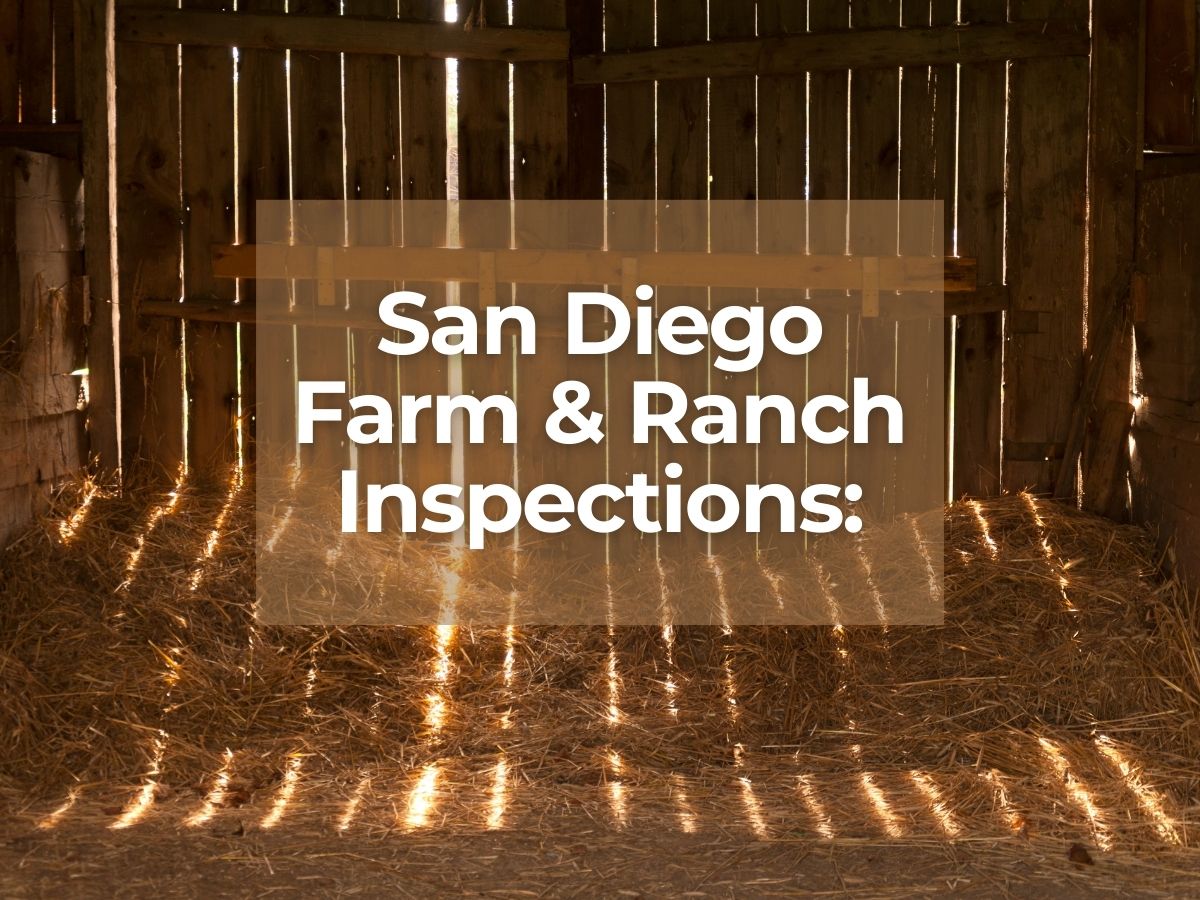
Buying a farm in San Diego is a dream, but without the right due diligence, it can quickly become an expensive reality check.
In this guide, we break down the 5 essential escrow inspections for San Diego farm and ranch properties, including well water reliability, septic system health, and specific land use zoning to protect your investment.
Another Installment of the Buying Agricultural Land Series by Rachell Lara, San Diego Realtor Specializing in Acreage and Agricultural Properties. Last updated May 2026
On This Page: San Diego Farm Inspection Guide
- The “Home” Inspection Plus
- Water: Wells, District Water, and Systems
- Waste and Wastewater: Septic and Manure
- Land and Soil: Can This Property Grow?
- Environmental Due Diligence
- Legal and Regulatory Fit: Zoning
- Farm-Type-Specific Inspections
- How to Prioritize Inspections
Buying a farm or ranch in San Diego is not like buying a cute condo in North Park. You’re buying a house, plus land, plus water, plus a small ecosystem of systems that can either quietly work for you…or quietly bankrupt you later.
Escrow is your one shot to really poke at everything while you still have an “exit” button, so let’s talk about what you can (and should) inspect.
In this post, I’ll walk you through the most important inspections you can order during escrow.
The “Home” Inspection Plus
Even on acreage, you still start with the familiar foundation: a solid home inspection and termite report.
Home Inspection and Outbuildings
Your general inspector is the person who crawls into the places you don’t want to—attic, crawlspace, weird barn corner—and tells you what’s going on. They’ll go through the house top to bottom and test all the major systems. For the typical home inspection, that's where it ends. Now, with agricultural properties you usually have a lot of extra outbuildings that are important to everyday live. Checking the structural integrity and the operating systems should be added to the inspection process. You want to have at least a baseline sense of your barns, workshops, and storage, even if they aren’t inspected to the same level as the home.
Termite and Pest Inspection
In Southern California, termites, dry rot, and wood‑destroying pests are a given, not a surprise. A pest inspection targets the beams, decks, porch roofs, and other wood elements that keep your home and barns standing. This is one of those inexpensive inspections that can save you from very expensive repairs later.
Water: Wells, District Water, and the Systems That Move It
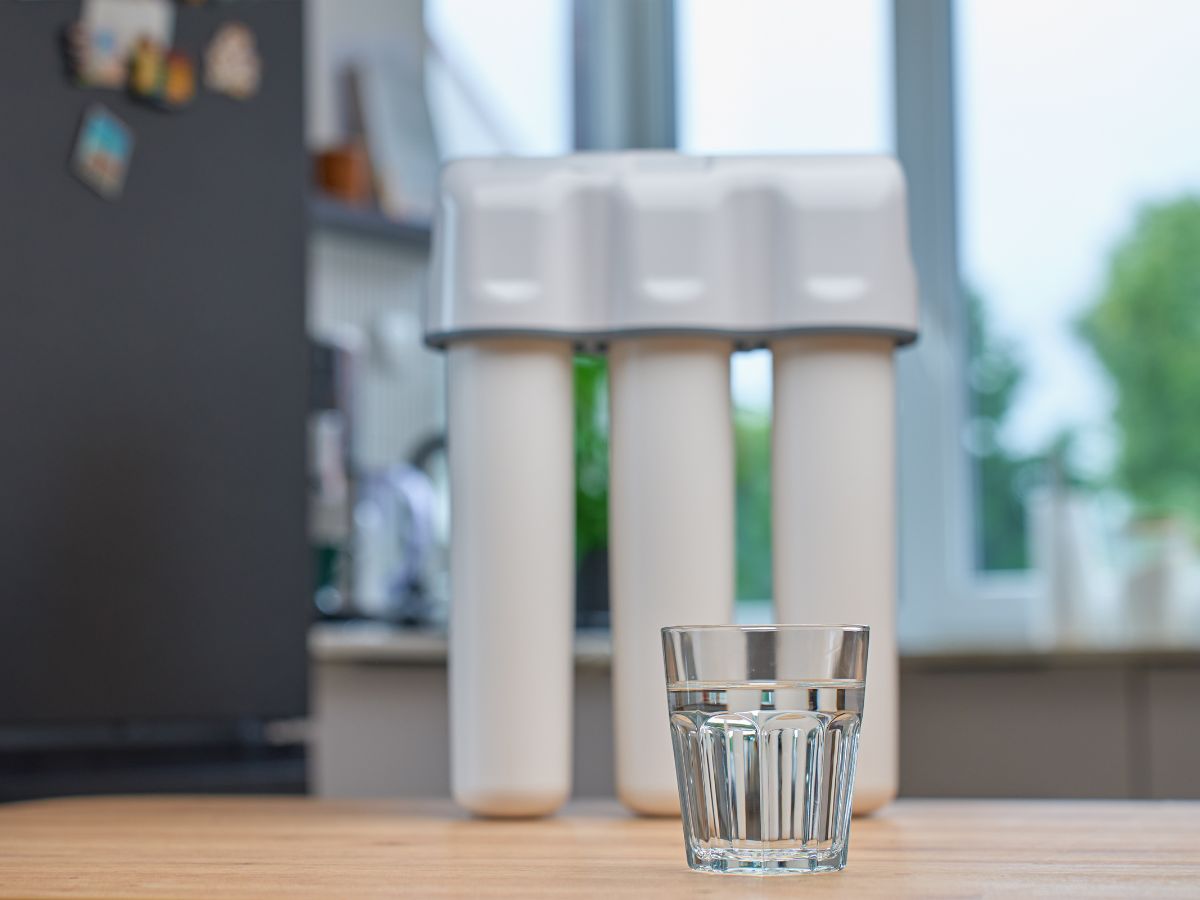
Water is the heartbeat of any San Diego farm. During escrow, we’re asking “Is there enough water, and is the system built to support what you want to do here?”
Well Inspection and Flow Test
If the property uses a well, a licensed well contractor should look at the well construction, pump, pressure tank, and storage. They’ll usually perform a flow test to measure gallons per minute and how quickly the well recovers. That tells us whether the well can realistically support the house plus your intended ag use, instead of guessing based on past owner stories.
Water Quality Testing
Alongside flow, we can order lab tests for bacteria, nitrates, and, when appropriate, minerals or other contaminants. If you’re planning on market gardens, orchards, nursery production, or livestock, it’s important to know both the quality and any treatment needs upfront.
Irrigation System Assessment
On a working farm, the irrigation system is just as important as the well. An irrigation review looks at pumps, mainlines, valves, filters, and emitters. The questions we want answered are simple: Can this system get water where it needs to go? How reliable is it? What will it cost to maintain or upgrade? Even a focused walkthrough with the right contractor can tell us whether you’re inheriting a strong backbone or an expensive rebuild.
Waste and Wastewater: Septic and Manure Management
Out beyond the city limits, you’re usually not on sewer. Escrow is the time to understand how wastewater and manure are actually handled on your future farm.
Septic System Inspection
Most rural homes in the county rely on septic systems. A septic inspection typically includes opening the tank, checking baffles and distribution, locating the leach field, and often pumping the tank. This gives you a realistic idea of the system’s health, remaining life, and any upgrades that might be coming. If you’re dreaming of adding bedrooms or an ADU, this matters a lot.
Manure and Waste Handling (For Livestock Properties)
For horse and livestock properties, we’ll also look at how manure is stored and moved. Where does it go? Is there any runoff towards wells, creeks, or neighboring properties? A quick review with an eye toward practicality and compliance can help you plan improvements and avoid headaches with neighbors or regulators.
Land and Soil: Can This Property Grow What You Want?
Not all dirt is created equal. If you’re buying a farm because you want to grow something, escrow is the time to find out whether the land will actually cooperate.
Soil Testing
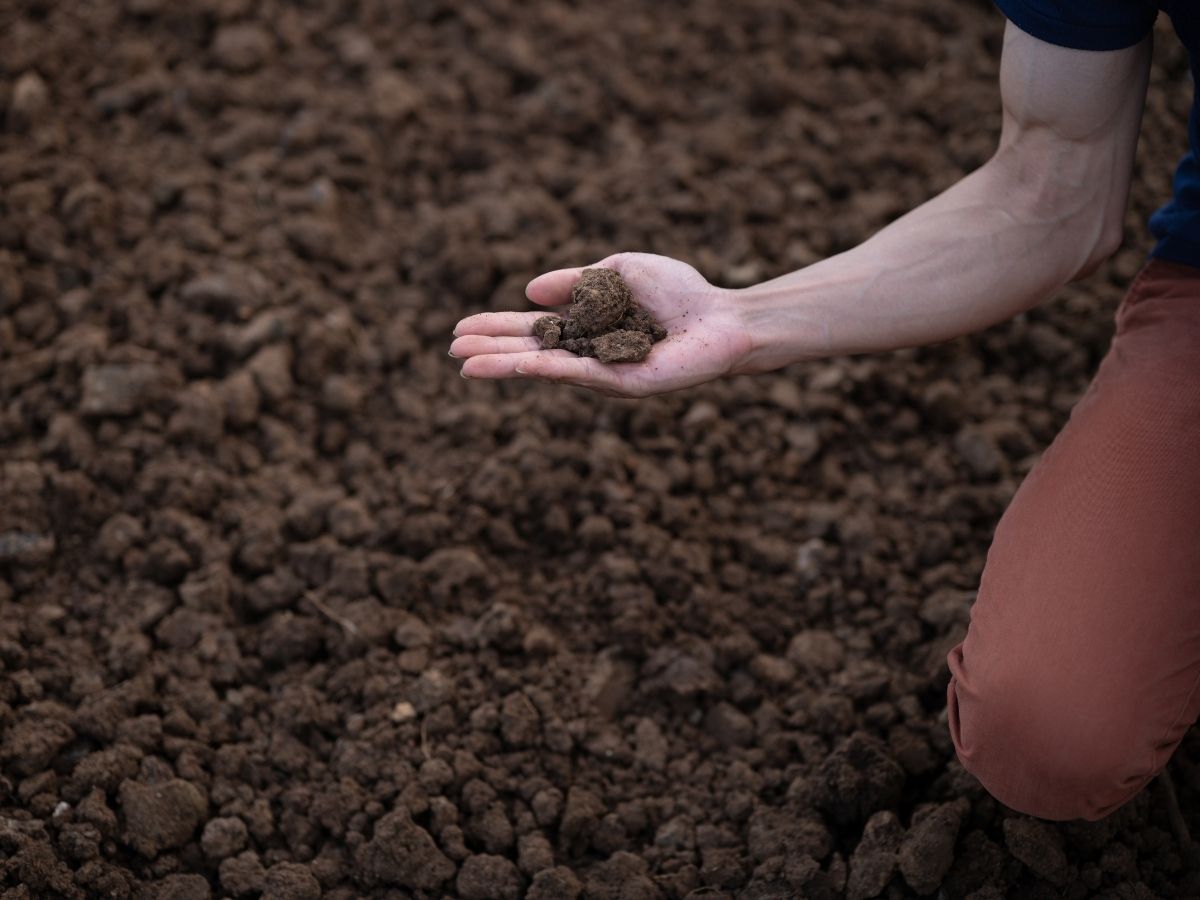
A lab soil test can tell you texture (sand/silt/clay), pH, nutrient levels, and organic matter. For market gardens, orchards, vineyards, and nurseries, this is inexpensive information that directly shapes your fertility program and startup costs. If you’re buying a property that’s been heavily farmed, we can also talk about more detailed testing for residual chemicals when appropriate.
Drainage & Field Layout Review
Good soil with bad drainage can still be a problem. I encourage buyers to think about how water moves through the property: Where does it pond after a rain? Where does it run off? How will that interact with your planned paddocks, orchard blocks, arenas, or bed layout? A knowledgeable contractor or consultant can help you see issues and opportunities that aren’t obvious at first glance.
Environmental Due Diligence (When There’s a Past)
If there’s any history of fuel storage, heavy equipment shops, industrial neighbors, or on‑site dumps, we can talk about a formal environmental review (Phase I, and Phase II sampling if needed). This is more common on larger or more commercial properties, but it’s worth considering any time the site’s past use raises questions.
Legal and Regulatory Fit: Zoning, Uses, and Water Rights
You’re not just buying what the property is today—you’re buying what it can legally become for you tomorrow.
Zoning and Use Review
We’ll confirm the property’s zoning and how it lines up with your plans: livestock numbers, kennels, nursery or on‑site plant sales, agritourism, classes, events, and more. We also look for any existing use permits, conditions, or recorded restrictions you’d be inheriting as the new owner. This is where we make sure the dream on paper matches the reality on the ground.
Water Rights and District Contracts
In some cases, especially where there’s district water or surface water, we’ll also review what water rights or service agreements transfer with the land. For many small farms, this is as simple as understanding your district water account and costs; for more complex or high‑value operations, it can mean pulling in additional professionals.
Farm-Type-Specific Inspections: Horses vs. Orchards vs. Nursery
Different types of farm and ranch properties call for different extra eyes.
Livestock, Horse, and Ranch Properties
On horse and livestock properties, we lean into:
- Fencing, gates, and corrals: safety, layout, and condition
- Barns, shelters, and arenas: structure, drainage, and usability
- Access and fire readiness: trailer access, defensible space, and water on site for emergency use
Sometimes that means bringing in a horse professional, livestock consultant, or contractor who understands animal facilities—not just a general inspector.
Crop, Orchard, and Nursery Properties
For crop‑driven properties, we’re more focused on:
- Orchard or vineyard health: age, vigor, disease pressure, and remaining productive life
- Nursery or greenhouse infrastructure: shade houses, tunnels, irrigation, cold storage, and pack spaces
- Overall field layout and expansion potential
Here, it can be worth engaging a crop consultant, PCA, or nursery specialist for a one‑time walkthrough and opinion.
How to Prioritize Inspections When You Can’t Do Everything
In a perfect world, you’d order every inspection on the menu. In the real world, there’s a budget and a timeline. I help buyers start with safety essentials, then move to farm-critical systems.
Start with safety and essentials
- Home Inspection
- Well Performance & Water Quality
- Pest/Termite Inspection
- Septic Inspection
These protect your health and your biggest potential repair items.
Add the farm‑critical systems
- Irrigation
- Soil Testing
- Zoning/Use Review isn't an actual inspection; it can be verified with the County of San Diego. I always recommend a trip to the county with land purchases to get a full picture of the property's history and capabilities.
These inspections let you know whether the property can actually support the operation you’re planning.
Layer in specialized inspections
- Livestock facilities,
- Crop and plant health,
- Environmental assessments based on the specific property and its history.
The goal isn’t to check every box just because it exists. The goal is to invest in the inspections that will actually change your decision, your offer, or your plans.
Thinking About a San Diego Farm or Ranch Purchase?
If you’re considering buying a farm, ranch, or small agricultural property in San Diego County, you don’t have to navigate all of this alone.
During escrow, I help my buyers:
- Build a custom inspection plan that fits their property type and goals
- Coordinate the right inspectors and specialists at the right time
- Interpret the results in plain English so they can make confident decisions
If you’d like to talk through your plans and what due diligence would look like for your situation, you can:
- Schedule a Farm & Ranch Buyer Strategy Call
- Request my Escrow Inspection Menu for Farm Buyers as a printable checklist
- Get a curated list of San Diego properties that already have strong ag bones
Reach out any time and let’s make sure the farm you fall in love with on paper is the same one you’ll be happy owning in real life.
Frequently Asked Questions: San Diego Rural Property Escrows
1. What does a professional well flow test cost in San Diego, and what does it measure?
A standard 4-hour or 2-hour well test in San Diego County generally costs between $400 and $800, depending on the depth of the well and equipment complexity. Beyond measuring simple gallons per minute (GPM), a proper inspection evaluates the pump’s electrical draw, pressure tank storage capabilities, and the well’s recovery rate—which tells us how quickly the underground aquifer replenishes itself after heavy use.
2. Can I just use my standard residential home inspector for a farm or ranch property?
A standard home inspector is excellent for checking the primary residence’s foundation, roof, and internal systems, but they are typically not qualified to certify agricultural equipment. For a farm or ranch, you need to bring in specialized contractors. A baseline home inspector will explicitly exclude agricultural wells, commercial-grade irrigation networks, multi-zone septic fields, and the structural integrity of specialized equestrian or livestock outbuildings from their liability.
3. What is the single most critical inspection if I am on a strict budget during escrow?
If you can only choose one specialized inspection beyond the home itself, it must be the well performance and water quality test. In Southern California, infrastructure dictates viability. A house with a failed roof can be lived in while you save for repairs, but a property with an unuseable well or toxic water levels loses its baseline utility immediately. Without verified, high-yield water, the long-term value of agricultural land drops significantly.
4. How do I verify if San Diego County zoning actually allows my specific farming plans?
Zoning cannot be assumed based on what a neighbor is doing. During your escrow period, we look up the specific property’s zoning box (such as A70 or A72) through the San Diego County Planning & Development Services. We then cross-reference the exact animal designator and use regulations to determine your legal thresholds for livestock counts, commercial farm stands, horse boarding, or direct-to-consumer agritourism events.
5. What should I look for regarding fire safety and water storage requirements?
In San Diego's backcountry and rural corridors, fire resilience is an essential element of land stewardship. During due diligence, we verify whether the property features dedicated water storage tanks (typically a minimum of 5,000 to 10,000 gallons) fitted with a standard fire department connection (such as a 2 ½-inch or 4-inch male National Standard Thread outlet). Ensuring emergency vehicles have functional turnaround space and direct access to water storage is crucial for protecting your investment and securing affordable insurance coverage.
Gain Clarity Before Your Contingency Periods Expire
In real estate the stakes are high—and for most of us, especially in Southern California, our home and land represent our largest financial investment. There is a lot of noise and conflicting information out there. If you are preparing to navigate a complex rural purchase, let's look closely at the data together so you can make a fully protected decision for your family's future.

Rachell Lara
San Diego Realtor® | Acreage & Agricultural Specialist
"My mission is to empower my clients to confidently make the best real estate decisions for their families. In the world of San Diego acreage, that means looking beyond the dirt to understand the infrastructure—from the utility of a high-yield well to the long-term flexibility of agricultural zoning. I provide the specialized local context you need to turn acreage into a sustainable family legacy."
Categories
- All Blogs (86)
- 55+Communities (4)
- Alpine (26)
- Backcountry (5)
- Community Events (16)
- Farm (3)
- Home Systems (1)
- Land (4)
- Listings (4)
- Manufactured Homes (5)
- Mountain Empire (10)
- Moving to Alpine (10)
- Moving to East County San Diego (11)
- North County (3)
- Ranch (3)
- Real Estate Market Reports (13)
- San Diego (10)
- San Diego Buyer Resources (10)
- San Diego Communities & Neighborhoods (6)
- San Diego Homeowners (7)
- San Diego Service Providers (1)
- Seller Resources (2)
- South Bay (2)
- Strategic Real Estate (2)
- Succulents (1)
Recent Posts






"My job is to empower my clients to confidently make the best real estate decisions for their families!"